

Automate CAPTCHA solve efficiently with the right service. Compare speed, accuracy, and cost to choose the best solution—start testing your ideal solver in AdsPower RPA today.
Automating web scraping, website testing, and other workflows often runs into protective mechanisms like CAPTCHAs. These systems distinguish bots from real users and require proof that you are human. For developers, this becomes a serious obstacle: scripts can “trip” on CAPTCHAs and fail. The solution is to use specialized CAPTCHA-solving services that handle this task and return the answer via an API. Such services solve CAPTCHAs automatically, allowing bots and parsers to operate without interruptions.
When you run multiple accounts through the AdsPower antidetect browser, a CAPTCHA-solving service becomes one of the architectural layers that reduces manual overhead and stabilizes your workflows.
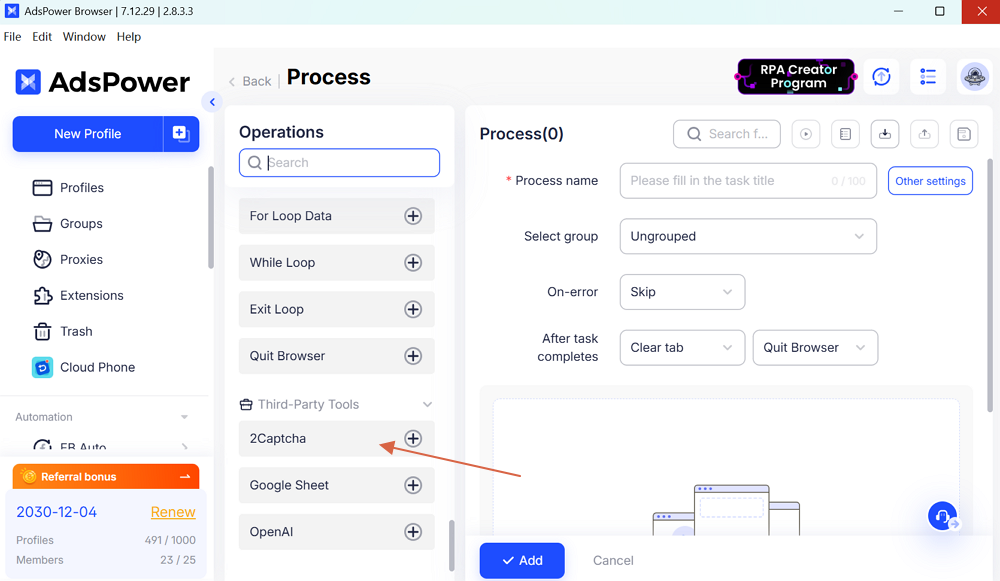
In this article, we compare several popular CAPTCHA-bypass services, including 2Captcha, SolveCaptcha, Anti-Captcha, DeathByCaptcha, CapMonster Cloud, and BypassCaptcha. We will review their recognition accuracy, pricing, response speed, API availability, and supported CAPTCHA types.
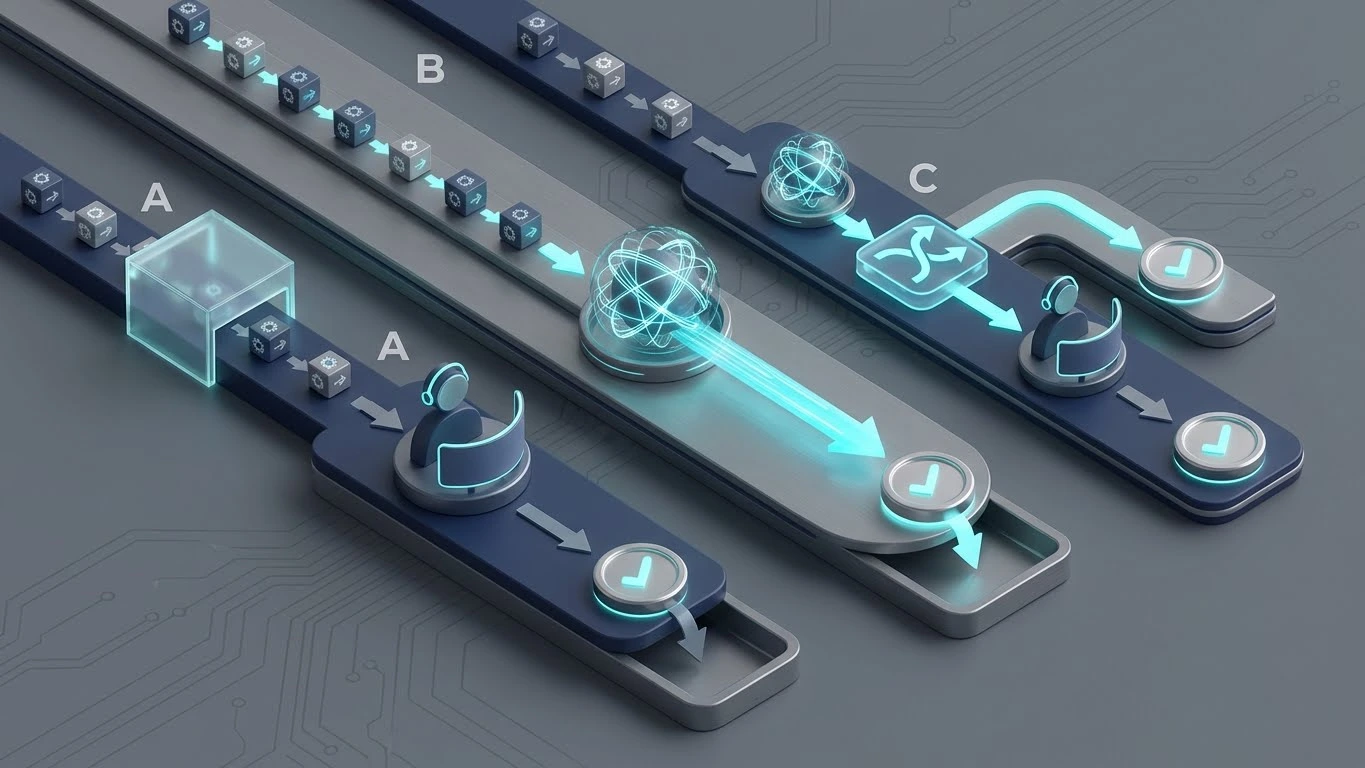
Before moving to the service overview, note three approaches to solving CAPTCHAs:
- Crowdsourcing (human solving): Classic services (2Captcha, Anti-Captcha, BypassCaptcha, etc.) route CAPTCHAs to live operators, who solve them and return the answer. This provides high accuracy (a human can handle even unusual tasks), but solving time depends on queue length and task complexity-typically 10-15 seconds on average.
- AI automation (neural networks): Newer solutions (CapMonster Cloud, CapSolver, and SolveCaptcha) use trained models for near-instant recognition. They are significantly faster (fractions of a second to a few seconds per CAPTCHA) and cheaper, but purely AI-based solvers may not cover all CAPTCHA types and can sometimes fail on brand-new or unusually complex challenges.
- Hybrid approach: Some services (SolveCaptcha, DeathByCaptcha, etc.) combine both methods. The system attempts an automated solve first, and only if confidence is low does it forward the task to a human. This approach aims to combine AI speed with human reliability.
One more point: in an anti-detect setup, CAPTCHAs usually appear at the so-called "trust boundary" - when you're dealing with a brand-new account, a new IP address, or a fresh session. At scale, across many profiles, this can become critical. That's why the ability to integrate a CAPTCHA-solving service into your pipeline should be a key factor when choosing a solver provider - keep it in mind.
2Captcha CAPTCHA-Solving Service - A Crowdsourcing Veteran
2Captcha is one of the oldest and best-known CAPTCHA-solving services, operating since 2014. The service relies entirely on human solving: thousands of operators worldwide solve CAPTCHAs submitted by clients for a small reward. This human-centric approach enables virtually any CAPTCHA to be solved-whatever an algorithm cannot handle, a person can. However, solving speed depends on load and task type: from a few seconds to minutes of waiting. 2Captcha supports an exceptionally broad range of CAPTCHA types-from classic text image CAPTCHAs to all versions of Google reCAPTCHA, complex puzzles like GeeTest, and many others.
Integration: The service provides a simple HTTP API: submit a CAPTCHA (or parameters such as sitekey/URL for reCAPTCHA) and poll for the result. There are ready-made browser plugins (Chrome, Firefox) and code examples in multiple languages (Python, PHP, Node.js, etc.). The barrier to entry is low-get an API key and make a couple of requests.
Key metrics for 2Captcha:
- Accuracy: Close to 99-100% due to human input. If the result is incorrect, you can send the CAPTCHA for a free re-solve.
- Speed: ~10-15 seconds for simple image CAPTCHAs, 30+ seconds for reCAPTCHA and other complex tasks. During peak hours, waiting can reach ~60 seconds, but most common CAPTCHAs are typically solved in 10-20 seconds.
- Pricing: ~$1 per 1,000 simple CAPTCHAs and up to $2.99 per 1,000 complex ones (e.g., Google reCAPTCHA). Pricing is dynamic: when demand exceeds supply, rates rise to attract more workers. On average, one Google CAPTCHA costs $0.001-0.003. You pay only for successfully solved CAPTCHAs.
- API and libraries: Public API (two-step submit/get flow). There are official libraries (e.g., 2captcha-python) that simplify integration. Due to its popularity, 2Captcha is supported by many third-party tools and has a large community. High parallel throughput is supported, and capacity scales with the large worker pool.
- CAPTCHA types: Essentially all mainstream challenges: reCAPTCHA v2/v3 (including Invisible and Enterprise), Arkose Labs FunCaptcha, GeeTest, text and image tasks (click-based/object selection), and more than 30 types overall. 2Captcha is often among the first to add support for new CAPTCHA formats.
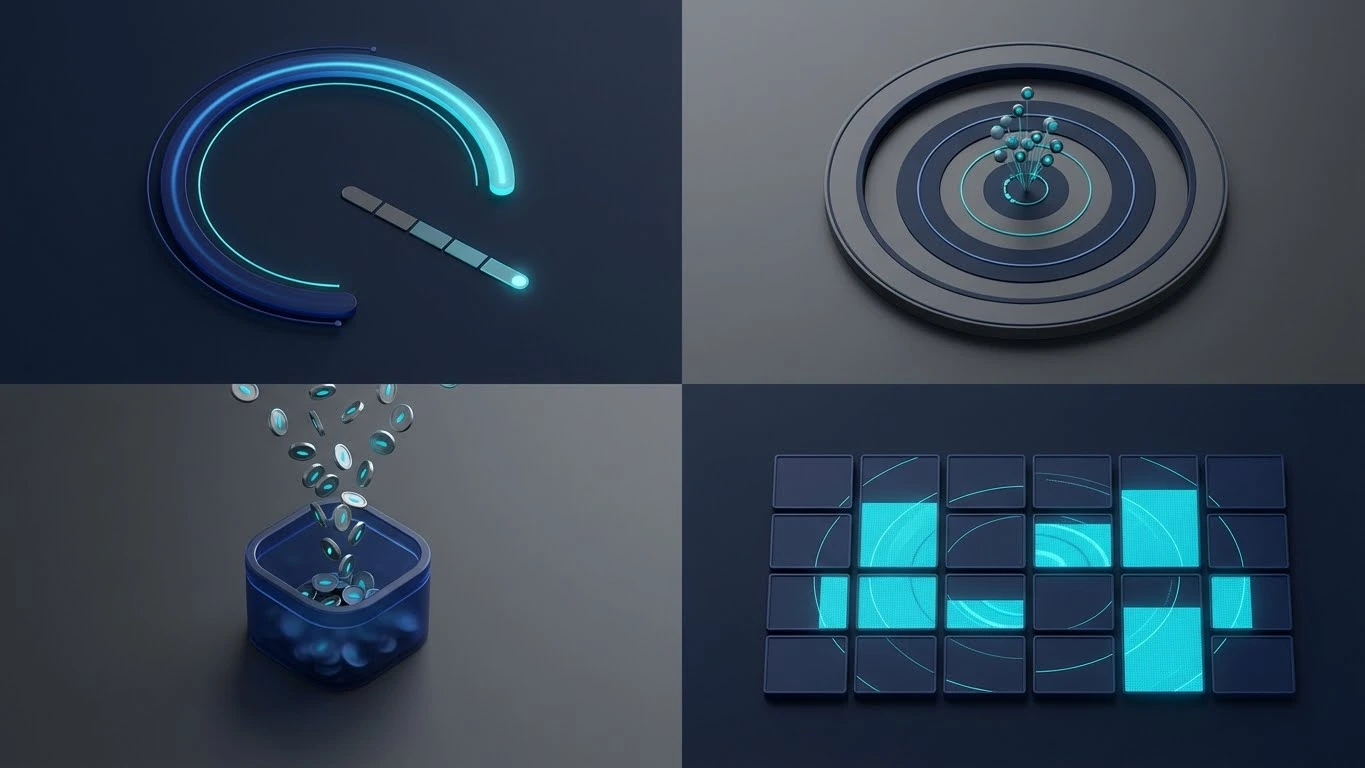
2Captcha is a time-tested solution. It fits cases where maximum reliability and broad CAPTCHA coverage matter more than response time. It is often chosen for large-scale scraping, SEO automation, and other workflows where waiting tens of seconds is acceptable in exchange for consistent results.
SolveCaptcha - Hybrid AI for Speed
SolveCaptcha is a relatively new player with an ambitious hybrid technology stack. It positions itself as a fast automated solution for most CAPTCHA types. Unlike classic platforms, SolveCaptcha emphasizes neural networks, backed by a human operator network for fallback.The model is simple. Basic CAPTCHAs are solved automatically within seconds. More complex challenges are sent to human operators. As a result, average response times drop significantly while reliability remains high-if AI fails, a human completes the task.
Capabilities and integration: SolveCaptcha aims to be a universal "all-in-one" solution. It claims support for major CAPTCHA types: Google reCAPTCHA v2/v3 (including Invisible and Enterprise), Arkose Labs FunCaptcha, Cloudflare Turnstile, GeeTest, and more, covering up to ~95% of common CAPTCHAs. If a new type appears that the model does not recognize, the task is forwarded to a human, making coverage effectively near-complete. For developers, integration is designed to be easy: the cloud API is fully compatible with 2Captcha, meaning request syntax is the same (typically you only change the API host and key). This simplifies migration dramatically and keeps the adoption barrier low. There is also a browser extension for Chrome/Chromium and integration support for Selenium and Puppeteer.
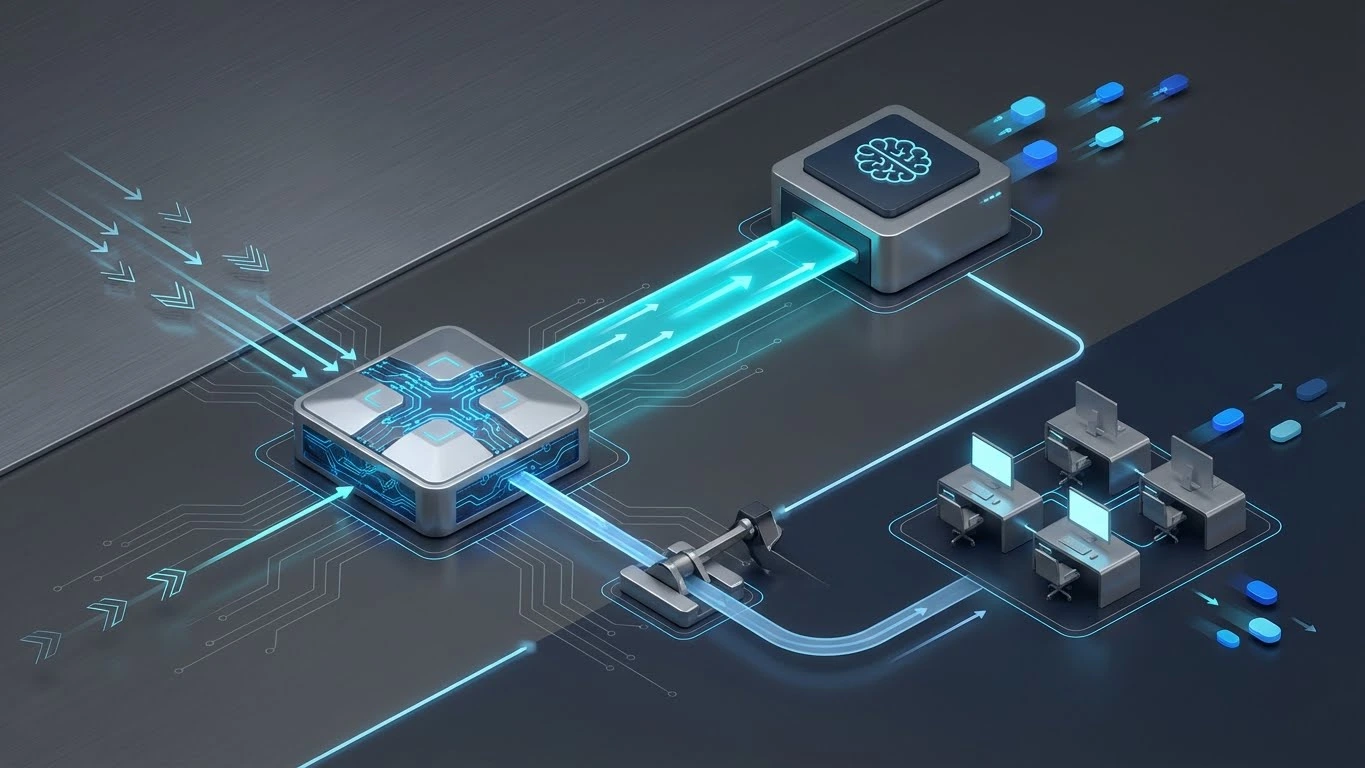
Key metrics for SolveCaptcha:
- Accuracy: 95-99% successful solves. On common CAPTCHAs (Google, Cloudflare), performance is competitive. The AI+human combination maintains high success rates even on newer tasks.
- Speed: Very high compared to purely human services. Simple CAPTCHAs: ~2-5 seconds. Complex ones (e.g., multi-round reCAPTCHA): typically 8-15 seconds. In many cases, SolveCaptcha is faster than traditional crowdsourcing services for token-based challenges.
- Pricing: Generally more affordable than classic human-first services. Example rates: reCAPTCHA v2 ~$0.55 per 1,000, reCAPTCHA v3 $0.8 per 1,000, image CAPTCHAs $0.35 per 1,000. Cloudflare Turnstile and GeeTest are around $0.8 per 1,000. The most expensive category is Arkose Labs FunCaptcha (interactive variants can be priced much higher, similar to competitors). Billing is pay-per-success; no monthly fee.
- API: Fully 2Captcha-compatible (HTTP POST + GET flow). You can switch by changing the endpoint to api.solve-captcha.com and using your key; parameter format remains the same. Concurrency limits are high (thousands per minute), suitable for high-load scraping. The browser extension supports "on-the-fly" solving for manual workflows and testing.
- Supported CAPTCHAs: All mainstream types: reCAPTCHA v2/v3 (including Invisible and Enterprise), FunCaptcha (Arkose), Cloudflare Turnstile, GeeTest, plus standard text and image CAPTCHAs. Some niche formats may not be a primary focus, but in practice SolveCaptcha either solves via AI or falls back to a human operator.
SolveCaptcha is a strong option when speed and scalability come first. It is especially useful for automation that encounters CAPTCHAs frequently and cannot afford long waits for each token. The hybrid model offers balance: fast handling of typical checks plus reliable fallback for difficult cases, with pricing that can be attractive at high volume.
Anti-Captcha (Antigate) - Flexibility and Scale for Complex Workloads
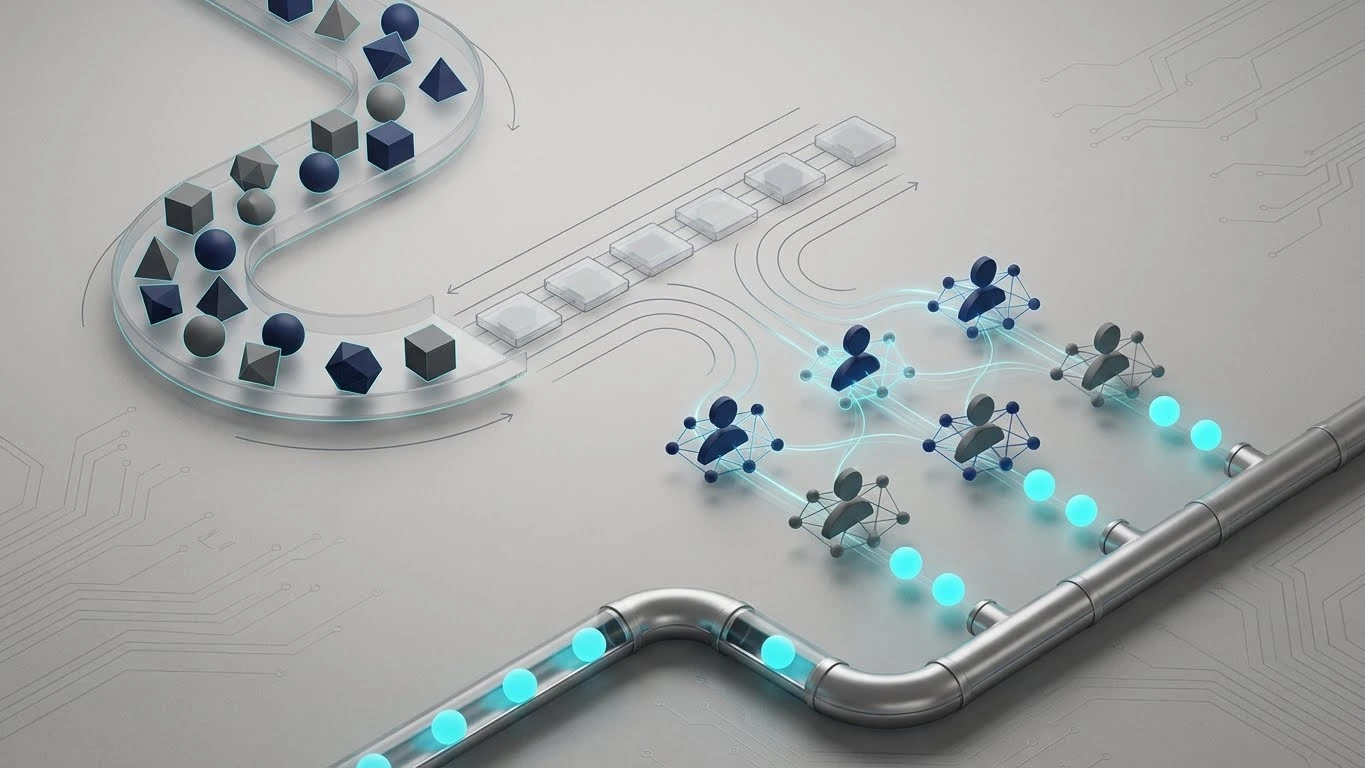
Anti-Captcha is another market veteran, operating since 2007 (previously known as Antigate). It is a direct competitor to 2Captcha and also relies on human solving. Anti-Captcha is highly stable and claims 99.99% uptime. It supports many CAPTCHA types, including Google reCAPTCHA Enterprise and complex puzzles like Arkose Labs and GeeTest. The system is built to handle large volumes and can solve thousands of CAPTCHAs at the same time without slowing down.
Features and integration: Anti-Captcha offers extensive configuration for advanced use cases. Beyond standard image CAPTCHAs, the service supports custom tasks-you can define a non-standard verification or an arbitrary action sequence to be completed by an operator. This is useful for complex automation scenarios beyond classic CAPTCHAs. The API is provided via JSON-based RPC: createTask / getTaskResult instead of a simple POST/poll model. This API allows fine-grained per-request control: pass a proxy, set browser emulation parameters, specify recognition language, and more. Official SDKs are available for popular languages (Python, PHP, C#, JavaScript, etc.), along with modules for Selenium/Puppeteer, browser extensions, and plugins for various automation tools.
Key metrics for Anti-Captcha:
- Accuracy: Up to ~99% on complex CAPTCHAs (Google reCAPTCHA and other JavaScript-based protections). With experienced operators and a large worker base, Anti-Captcha performs well even on newer CAPTCHA formats, though occasional errors can occur on language-specific challenges.
- Speed: Typically 13-20 seconds for web CAPTCHAs (reCAPTCHA and similar). Simple text/image CAPTCHAs are often faster (~10 seconds).
- Pricing: From $0.5 per 1,000 for the simplest CAPTCHAs up to $1-3 per 1,000 for complex types (comparable to 2Captcha). Anti-Captcha also offers package-style plans (e.g., a monthly bundle for a fixed number of CAPTCHAs), which can reduce unit cost at scale. Payment methods include cryptocurrency, and discounts may apply for large balance top-ups.
- API and integration: JSON API with rich configuration (proxy, geo, emulation type, etc.). Official libraries (e.g., anticaptchaofficial) simplify usage. High concurrency is supported-useful when solving thousands of CAPTCHAs per minute. Browser extensions and framework modules are available.
- CAPTCHA types: Broad coverage, including all reCAPTCHA versions (including Enterprise), Arkose Labs FunCaptcha, GeeTest, Cloudflare Turnstile, click/drag image puzzles, audio CAPTCHAs, and custom scenarios.
Anti-Captcha is a flexible option when you need reliable, large-scale CAPTCHA solving in automation. It is somewhat more complex to integrate than 2Captcha, and the overall experience can feel less beginner-friendly.
DeathByCaptcha - A Hybrid Pioneer with Audio Support
DeathByCaptcha (DBC) is an international service with over 15 years in the market. It was among the early adopters of a hybrid approach: combining OCR-style automation with human solving. The logic is as follows: simple text or arithmetic CAPTCHAs are first attempted by an algorithm (in fractions of a second), and only if confidence is low is the image sent to a human. This lets DBC solve a large share of simple CAPTCHAs automatically (~90% on the first attempt), while human fallback raises accuracy up to ~99%. Historically, DeathByCaptcha focused on classic text image CAPTCHAs, but today it supports most major types: Google reCAPTCHA v2/v3 (including Invisible), hCaptcha, Arkose FunCaptcha, GeeTest (v3/v4), and less common variants (KeyCaptcha, Amazon WAF CAPTCHA, FriendlyCaptcha, etc.).
Distinctive feature: DBC is one of the few services that explicitly supports audio CAPTCHAs. For example, the audio variant of Google reCAPTCHA can be submitted to DBC: either speech recognition handles it, or an operator listens and enters the answer.
Integration: DeathByCaptcha provides multiple APIs: a traditional HTTP API (similar to 2Captcha/Anti-Captcha) and a socket API. Notably, DBC supports request formats compatible with 2Captcha/Anti-Captcha, which simplifies migration-you can often reuse existing client libraries by swapping credentials. Official clients exist for Python, Java, C#, PHP, etc., and there are browser extensions (Chrome, Firefox). Support is primarily ticket-based.
Key metrics for DeathByCaptcha:
- Accuracy: About 90% for simple CAPTCHAs on the first attempt, up to ~99% with human verification. For simple text tasks, DBC effectively guarantees correctness (or does not charge). Refunds are available for incorrect solves.
- Speed: Simple CAPTCHAs can be solved in ~9 seconds thanks to automation. More complex tasks routed to humans can take 20-30 seconds depending on load. reCAPTCHA typically takes 20-45 seconds, comparable to other services.
- Pricing: Roughly $0.99-$2 per 1,000 for basic image CAPTCHAs. reCAPTCHA v2/v3 around $2.89 per 1,000; hCaptcha and FunCaptcha about $3.99 per 1,000. Prices can be slightly higher than 2Captcha for some types, but generally remain within $1-4 per 1,000. Volume discounts and top-up bonuses are offered.
- API: Supports both its own and compatible formats. You can submit in a 2Captcha-style flow (key + method), which lowers switching friction. Official libraries exist; in Python, the deathbycaptcha package can submit and wait for a solution conveniently. The typical workflow remains "submit CAPTCHA → receive ID → poll for result."
- CAPTCHA types: Around ~20 types, including reCAPTCHA, GeeTest, Arkose, audio CAPTCHAs, and other less common formats. Coverage is slightly narrower than the biggest human-first platforms, but includes the most important categories plus some specialized ones.
DeathByCaptcha is a reliable hybrid service with a long track record. It is particularly useful if you need audio CAPTCHA solving or want a secondary provider as a fallback option. While less dominant than the largest platforms today, it remains stable and practical.
CapMonster Cloud - A Neural-Network Speed Solver by Zennolab
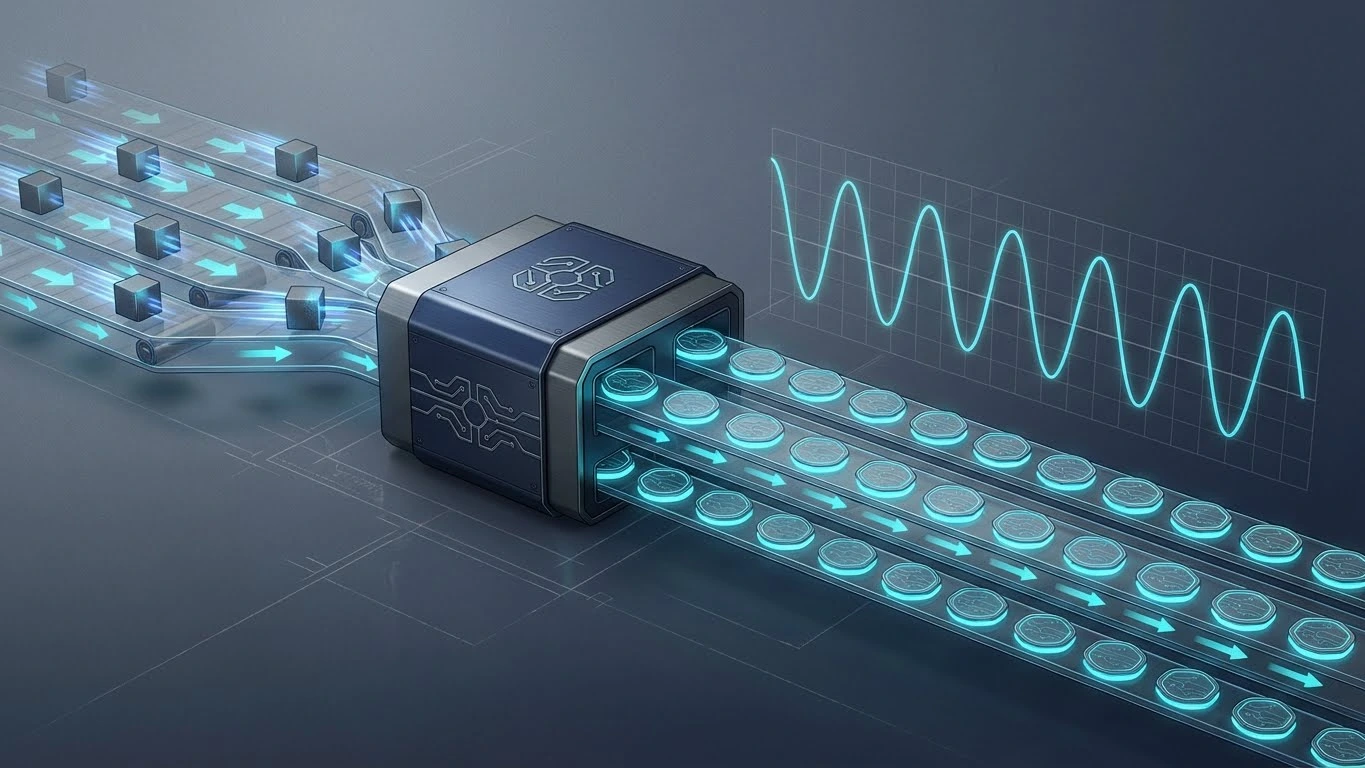
CapMonster Cloud represents a new generation of services focused on fully automated CAPTCHA solving using neural networks. It evolved from the popular CapMonster software by Zennolab and is now available as a cloud API service. Its main advantage is high speed and low cost, achieved by eliminating the human factor. Machine learning models make it possible to solve CAPTCHAs faster and cheaper than human-based services.
Capabilities: Despite being AI-only, CapMonster Cloud supports common types: Google reCAPTCHA v2/v3 (including Enterprise), GeeTest (including latest versions), Cloudflare Turnstile, Cloudflare Bot Challenge (JS Challenge), certain protected image challenges used by anti-bot systems (e.g., DataDome), Tencent CAPTCHAs, simple text CAPTCHAs, and more. The list is continuously expanded. The main limitation is the most complex interactive puzzles-some Arkose Labs FunCaptcha variants may not be consistently solvable by AI alone, so coverage there can be partial.
Performance: The service can process over 1,000 CAPTCHAs per minute, with an average solve time under 1 second. In other words, at sufficient load it can deliver a very high throughput, which fits extremely large-scale scenarios (e.g., mass account creation where huge volumes of CAPTCHAs must be solved). You pay only for successful solves; unsuccessful attempts are not charged.
Integration: Zennolab made CapMonster Cloud easy to adopt for users migrating from other services. The API uses the same request format as popular services like 2Captcha and Anti-Captcha. You can keep your existing structure and only change the API endpoint to CapMonster. For some token-based CAPTCHAs, you do not need to provide your own proxy. CapMonster handles proxies internally, which reduces setup work. Browser extensions for Chrome and Firefox are available, along with official libraries for common programming languages.
Key metrics for CapMonster Cloud:
- Accuracy: Up to 99% for supported CAPTCHAs. reCAPTCHA success is often reported around 97-99%. The hardest Enterprise variants can be more challenging, but overall quality can approach human-level results on supported types.
- Speed: Extremely fast. Simple CAPTCHAs: fractions of a second. reCAPTCHA v2/v3, Turnstile: typically 1-3 seconds. In ideal parallel conditions, <1 second per CAPTCHA.
- Pricing: Very low. Image CAPTCHAs: about $0.02-0.04 per 1,000. Complex token tasks: roughly $0.5-$2 per 1,000. Compared to human services, this can be 2-3× cheaper on many common challenges. Pay-per-success. A demo mode allows testing before topping up.
- API: Compatible with human-service APIs and also offers its own similar REST interface. In many cases, existing 2Captcha client code can work by changing the base URL to api.capmonster.cloud. Built-in proxy handling reduces the need to manage proxy infrastructure for certain challenge types. High scalability supports thousands of parallel requests.
- CAPTCHA types: Core high-frequency types: reCAPTCHA v2/v3 (including Enterprise), GeeTest, Cloudflare Turnstile, Cloudflare JS Challenge, and some anti-bot image challenges. Partial support for Arkose Labs FunCaptcha due to interactivity. Coverage is slightly narrower than human-first services, but fits the majority of real-world web automation use cases.
CapMonster Cloud is an excellent choice for scenarios that demand massive scale and minimal latency at the lowest possible cost. The trade-off is that only human solvers can guarantee near-100% coverage across truly unusual or highly interactive CAPTCHA variants.
BypassCaptcha - A Long-Running Service Focused on Support and Stability
BypassCaptcha is another long-established CAPTCHA-solving service operating for more than 15 years. Like the major human-based providers, it relies on live operators, delivering high accuracy with moderate speed. Its distinguishing focus is strong support, broad integration with third-party tools, and stable performance. The value proposition can be summarized as: "convenience and service quality, at a higher price."
Integration and support: BypassCaptcha provides API clients for many languages (Python, PHP, Ruby, Java, Perl, etc.) and is integrated into various off-the-shelf tools used for email outreach, SEO workflows, and other automation.
Key metrics for BypassCaptcha:
- Accuracy: Comparable to other human-based services, close to ~99%.
- Speed: Around ~10-15 seconds on average, potentially longer for complex tasks (20+ seconds).
- Pricing: Above market average. A minimal plan offers 2,000 credits for $14, equivalent to roughly $7 per 1,000, significantly higher than competitors charging $1-3 per 1,000. Even larger packages tend to remain relatively expensive.
- API: Standard HTTP API with POST/GET plus ready-made libraries and integration examples.
- CAPTCHA types: Mainstream types (reCAPTCHA v2/v3, text image CAPTCHAs, etc.). As with other human services, it can solve most CAPTCHA challenges in practice.
BypassCaptcha is a niche option for teams that prioritize stable operations and responsive support and are willing to pay a premium. For most developer workflows, more cost-effective alternatives are typically sufficient.
Comparative Table of Key Parameters
To make comparison easier, here is a summary of speed, accuracy, pricing, and CAPTCHA coverage:
|
Service |
Approach |
Solve speed |
Accuracy |
Price (per 1,000) |
CAPTCHA coverage |
|
2Captcha |
Human (crowd) |
10-30s (up to 60s peak) |
~99% |
$1 (simple) - $3 (complex) |
Broad coverage (reCAPTCHA, GeeTest, FunCaptcha, etc.) |
|
Anti-Captcha |
Human |
~13-20s (JS CAPTCHAs) |
~99-99.9% |
$0.5 - $3 (by type) |
Very broad + custom tasks |
|
SolveCaptcha |
Hybrid (AI + human) |
5-15s (simple); 10-20s (complex) |
95-99% |
$0.35 (simple) - ~$3 (complex) |
Most common (reCAPTCHA, Arkose, Turnstile, GeeTest, etc.) |
|
DeathByCaptcha |
Hybrid (OCR + human) |
~9s (simple OCR); up to 30s (human fallback) |
90% → ~99% with fallback |
~$1 - $4 (by type) |
~20 types: reCAPTCHA, GeeTest, Arkose, audio, etc. |
|
CapMonster Cloud |
AI (neural nets) |
<1-3s (very fast) |
up to 99% |
$0.02 (simple) - $0.5-2 (complex) |
Core types (reCAPTCHA, Turnstile, GeeTest; Arkose partial) |
|
BypassCaptcha |
Human |
~10s average |
~99% |
~$7 per 1,000 (premium) |
Main types (reCAPTCHA v2/v3, images, etc.) |
Conclusion
We reviewed six popular CAPTCHA-solving services, each with its own strengths. How do you choose the best option? It depends on your priorities:
- If reliability and broad coverage come first, consider 2Captcha or Anti-Captcha. These services have a long track record. They support most CAPTCHA types and can solve difficult challenges, but not instantly. 2Captcha is easier to use and usually costs less. Anti-Captcha is better suited for advanced automation with more configuration options.
- If speed and scale are critical, AI-based services are the better fit. CapMonster Cloud delivers extremely high throughput and minimal latency, making it ideal for industrial-scale scraping when CAPTCHAs are mostly standard. The key limitation is coverage: purely AI solvers may fail on rare or highly interactive challenges. SolveCaptcha is a strong middle ground-fast on high-volume workloads while still backed by human fallback. It can also be more budget-friendly than traditional human-first services at scale.
- DeathByCaptcha is worth considering when you need specialized capabilities such as audio CAPTCHA support, or when you want an additional provider as a fallback. It can be used as part of a multi-provider strategy.
- BypassCaptcha stands out primarily for long-term stability and support quality, but its higher pricing makes it a niche choice. It is most reasonable when budget is secondary to predictable operations and integration assistance.
For experienced developers, a common practice is to combine providers: try a fast AI solver first, and if it fails, fall back to a human-based service. This strategy improves both speed and overall success rate, though it makes integration more complex.
FAQ
How do you become a CAPTCHA solver?
To become a CAPTCHA solver, you typically register as a worker on a CAPTCHA-solving platform such as 2Captcha, Anti-Captcha, or BypassCaptcha. After signing up, you complete simple training tasks and start solving CAPTCHAs manually through a web interface or desktop app. Solvers are paid small amounts per completed task, with earnings depending on speed, accuracy, and task availability. While this work requires no technical skills, income is usually modest and varies by region and demand.
