

SIM Card vs Virtual Number: What Is the Difference Between a SIM Card and a Virtual Number?
Take a Quick Look
Need a phone number without a SIM card? Learn how cloud phone numbers work, when to use them, and how to choose the right type for verification, try Cloud Number for reliable global access.
If you've ever had to set up multiple accounts, deal with verification codes, or keep different online profiles separate, you've likely run into two options: a SIM card or a virtual number. On the surface, the difference looks simple enough: one is something you can hold, the other exists online.
But once you actually start using them, that simple distinction doesn't really capture the full picture. The way each option behaves can impact how reliable your accounts feel, how easy it is to manage them, and even how platforms treat your activity. So instead of just looking at "physical vs digital," it makes more sense to look at how they perform in real situations, and which one actually fits the way you work.
What is a SIM Card?
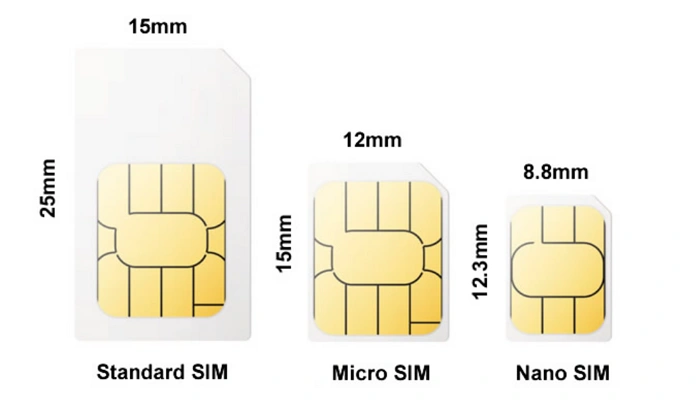
A SIM card is what most people are familiar with. It's issued by a mobile carrier and tied to a real telecom network.
You insert it into your phone, and it connects your device to calls, SMS, and mobile data.
What makes SIM cards reliable is the infrastructure behind them. They are linked to physical networks, billing systems, and often identity verification. That gives them a kind of "real-world weight" that platforms recognize.
In everyday use, SIM cards are often chosen when:
- You need long-term stability
- You rely on consistent SMS verification
- You're dealing with sensitive platforms like banking or finance
- Account recovery matters
That said, they are not exactly flexible. Moving a SIM from one setup to another takes effort. Scaling beyond a few numbers becomes expensive and hard to manage.
What is a Virtual Number?
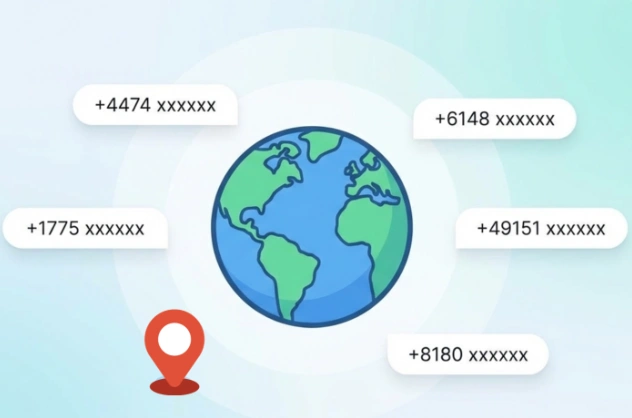
A virtual number works differently. It's not tied to a physical SIM or a single device. Instead, it exists in the cloud. You access it through a dashboard, app, or cloud phone system. That alone changes how you interact with it. You don't need to swap hardware. You don't need to worry about where the number "lives." You just log in and use it.
Virtual numbers usually come into play when you need more flexibility than a traditional setup can offer. In practice, people don't really think of virtual numbers in abstract terms. They just use them when things start getting messy. For example:
- You're running a few accounts and don't want everything tied back to the same phone
- You need numbers from different regions, but getting local SIMs feels like overkill
- Sometimes you just need a number for a quick code, then you're done with it
- Or you simply don't want work messages mixed in with your personal stuff
And once you connect them to something like DuoPlus Cloud Number, it starts to feel less like juggling tools and more like a system that actually works:
- Each number can sit on its own cloud phone, so you're not swapping devices all the time
- Verification doesn't turn into a repetitive task that you have to babysit
- Everything is in one place, instead of scattered across tabs, apps, and devices
- And when you need more accounts, you just add them—no extra SIMs, no extra setup
SIM Card vs Virtual Number: Key Differences
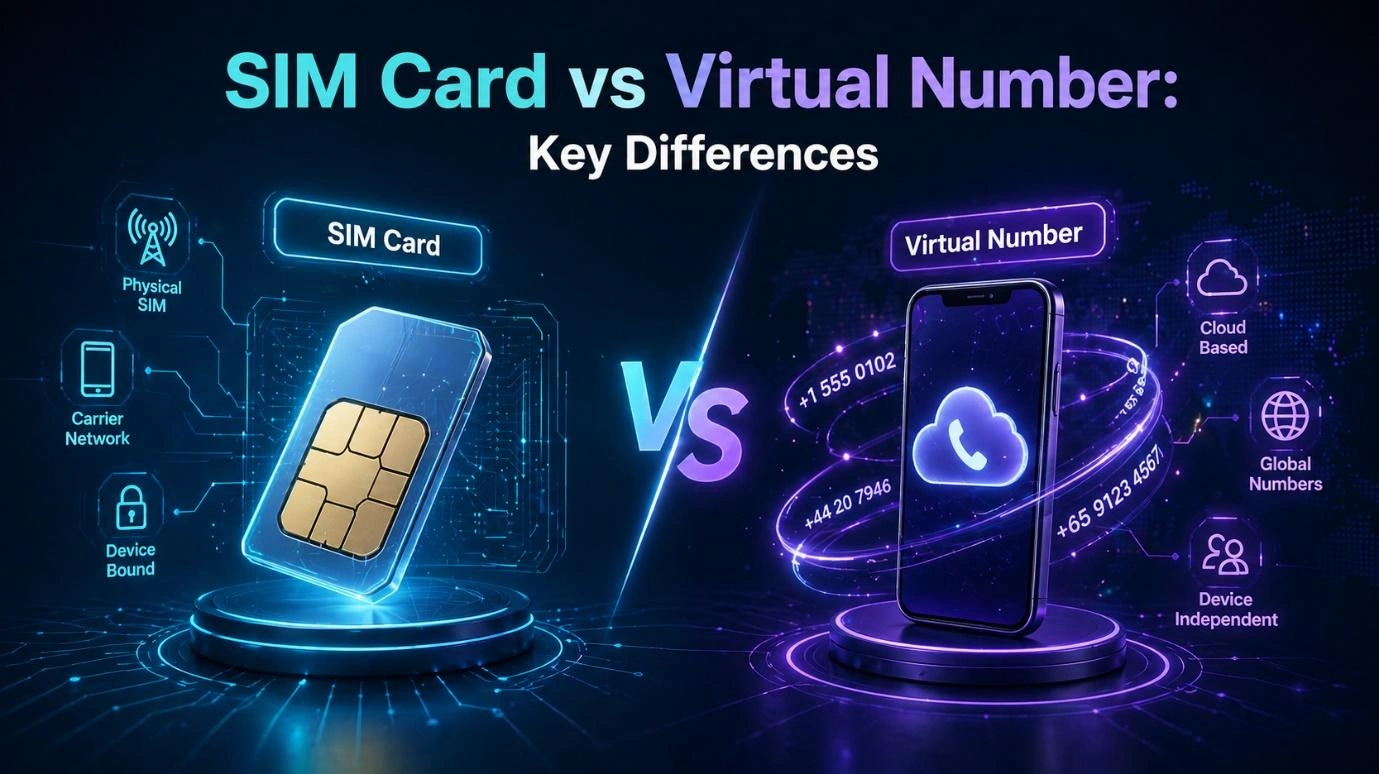
1. Physical vs Cloud-Based
A SIM card exists in a device. A virtual number exists in a system.
This affects everything from accessibility to scalability.
With a SIM, you always have to think about the device. With a virtual number, you just access it from wherever you are.
2. Setup and Speed
Getting a SIM card usually involves:
- Buying it
- Activating it
- Dealing with carrier restrictions
Virtual numbers skip most of that. You can get one in minutes and start using it right away.
This makes a big difference when you need numbers in bulk.
3. Scalability
This is where the gap becomes obvious.
Managing 2 or 3 SIM cards is fine. Managing 50 or 100? That's where things break down.
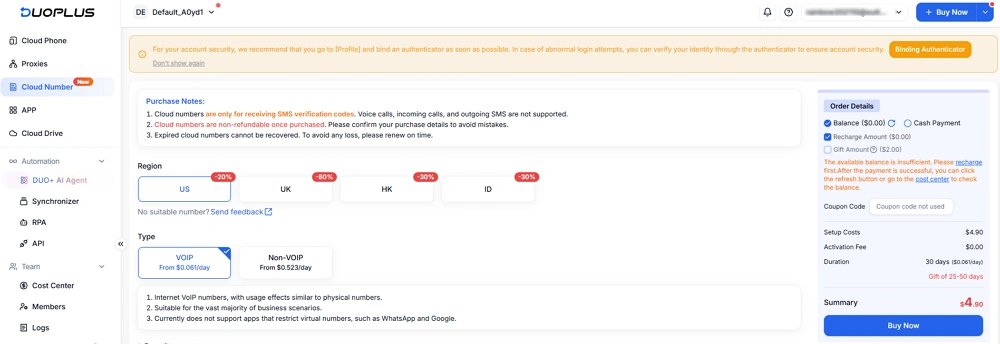
Virtual numbers are built for scale. Especially when used with platforms like DuoPlus Cloud Number, you can assign, rotate, and manage numbers across multiple accounts without physical limitations.
4. Platform Trust
Here's the part most people don't talk about.
Platforms often treat numbers differently:
SIM-based numbers tend to look more "legitimate" because they're tied to real carriers.
Virtual numbers can sometimes face stricter checks, depending on the provider and how they're used.
That's why choosing a high-quality solution matters. Not all virtual numbers behave the same.
5. Cost and Maintenance
SIM cards come with ongoing costs:
- Carrier plans
- Hardware
- Manual management
Virtual numbers are usually more cost-efficient at scale. You pay for access, not infrastructure.
Can I Use WhatsApp with a Virtual Number?
Yes, you can. But it depends on the quality of the number.
Some virtual numbers (Non-VOIP numbers) work perfectly with WhatsApp, allowing you to receive verification codes and run accounts normally.
Others may fail during verification, especially if they've been reused or flagged before.
If you're planning to use virtual numbers for WhatsApp, it's important to:
- Choose clean, unused numbers
- Avoid aggressive automation patterns
- Use a stable environment (like AdsPower antidetect browser or cloud phones)
This is where integrated setups, such as DuoPlus Cloud Number combined with cloud devices, tend to perform better than random number providers.
Is There a Downside to Using a Virtual Number?
There can be.
The main downside is inconsistency across providers.
Not all virtual numbers are equal. Some may:
- Get blocked by certain platforms
- Fail to receive SMS reliably
- Be reused too often
Another factor is trust. Some services are stricter with virtual numbers, especially in finance or high-security environments.
That said, these issues are usually tied to low-quality providers, not the concept itself. Thus you need to choose a trustworthy service and consult before purchase.
With the right setup, virtual numbers can be just as effective as SIM-based ones for most use cases.
Why DuoPlus Cloud Number Changes the Way Virtual Numbers are Used
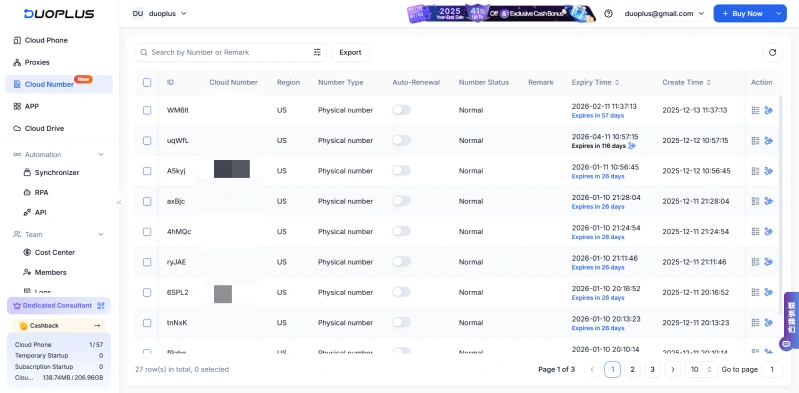
Traditional virtual numbers are just numbers.
But systems like DuoPlus Cloud Number turn them into part of a workflow.
Instead of managing numbers separately, you can:
- Bind numbers to cloud phones
- Automate verification processes
- Run multiple accounts in isolated environments
- Scale without dealing with physical devices
And when this kind of setup is combined with the best proxy types for your use case, things start to run more smoothly. It's not just about having different numbers anymore. Your accounts also operate in more stable network conditions, which helps reduce issues during logins or verification.
At that point, it's less about swapping SIM cards and more about building a setup that actually works. You're removing the usual friction, no constant switching, no messy workarounds—just a system that's easier to manage over time.
Final Thoughts: SIM Card vs Virtual Number - Which One Should You Choose?
There's no one-size-fits-all answer. If you care about stability, long-term use, and maximum trust, SIM cards still have their place. But if your focus is flexibility, speed, and scale, virtual numbers are hard to ignore. Especially when combined with tools like DuoPlus Cloud Number, they open up a completely different way of managing accounts and communication.
In the end, it's less about which one is "better" and more about how you plan to use it.
FAQ
Do virtual numbers always work for verification?
Not always. Whether a virtual number works depends on the provider, the platform you're using, and how the number is managed. Some services can detect and block certain virtual numbers, especially if they've been overused or flagged before. Choosing a reliable provider and using numbers properly can improve success rates, but there's never a 100% guarantee.
Are SIM cards safer?
In most cases, yes. SIM-based numbers are tied to real carriers and physical devices, which makes them more stable and trusted by platforms. They're less likely to be flagged during verification and tend to receive codes more consistently. However, they are harder to scale and manage compared to virtual numbers.
What's the easiest way to manage multiple accounts?
For most users, virtual numbers combined with a system like DuoPlus Cloud Number are the simplest solution. They remove the need to handle multiple SIM cards or devices, making account management much easier. This setup is especially useful when scaling accounts while keeping everything organized and efficient.
Is it possible to have eSIM and a physical SIM with the same number?
In most cases, no. A phone number is typically tied to one SIM profile at a time.
However, there are exceptions depending on the carrier. Some support number sharing across devices, but that's not the same as having both an eSIM and a physical SIM fully active with the exact same number independently.
What you can do instead is:
- Use dual SIM (one physical, one eSIM) with different numbers
- Forward calls or messages between numbers
- Use cloud-based systems to centralize communication

People Also Read
- Best Private Search Engines in 2026: 5 Secure Alternatives to Google

Best Private Search Engines in 2026: 5 Secure Alternatives to Google
Looking for a more private way to search? Explore the 5 best private search engines in 2026 and see how DuckDuckGo, Brave Search, Startpage, and more
- Temp Gmail: How to Create a Temporary Gmail Account in 2026
Temp Gmail: How to Create a Temporary Gmail Account in 2026
Learn how to create a temp Gmail account, compare Gmail aliases and separate accounts, and manage multiple accounts with AdsPower.
- Understanding Persistent Browser Profiles for AI Agents: Why Do They Matter?
Understanding Persistent Browser Profiles for AI Agents: Why Do They Matter?
Learn why persistent browser profiles matter for AI agents, helping maintain sessions, browser consistency, account isolation, and reliable automation
- Kickass Torrents Alternatives: Movies, TV, Games & Safe Access (2026)
Kickass Torrents Alternatives: Movies, TV, Games & Safe Access (2026)
Kickass Torrents is no longer what it once was, but there are still alternatives for finding movies, TV shows, music, books, games, and software. This
- AdsPower Proxy: Buy and Configure Proxies in One Place
AdsPower Proxy: Buy and Configure Proxies in One Place
Buy an AdsPower proxy while creating a profile, configure it automatically, or continue using your preferred third-party proxy provider.
