

What Is a Cloud Phone Number and How to Choose It for Your Business
Take a Quick Look
Explore how cloud phone numbers support verification, team access, and global growth. Compare key features and choose the right fit. Try Cloud Number now!
You can scale ad accounts, support teams, and regional campaigns from one laptop,especially keep them safe with AdsPower. However, phone verification is often the part that slows everything down. Physical SIM cards create clutter, delay onboarding, and make account management harder than it needs to be.
A cloud phone number solves that problem. It gives businesses a number they can access online, manage centrally, and use across teams without tying every workflow to one physical device.
Many readers looking for this topic are trying to answer practical questions such as how to get a virtual phone number for my account and is there a phone number for on cloud, when they need a flexible phone setup that works online.
This guide explains what a cloud phone number is, where it fits in a business workflow, what to check before you buy a virtual phone number, and how DuoPlus Cloud Number may fit growing teams.
What Is a Cloud Phone Number?
A cloud phone number is a phone number hosted and managed through an online platform instead of a physical SIM card inside one device. You can receive calls, SMS, or verification codes through a web dashboard, app, or integrated system, depending on the provider.
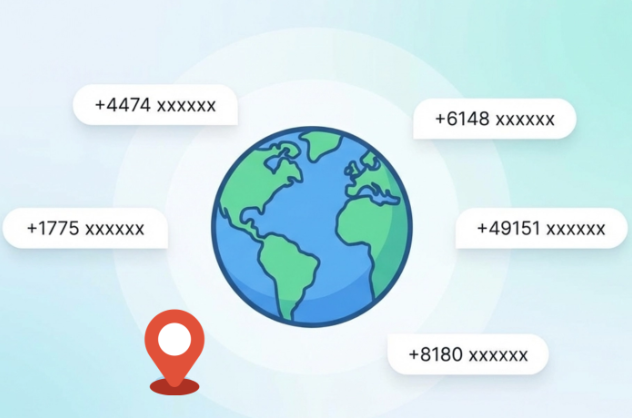
In simple terms, a cloud phone number is a type of virtual phone number. The provider handles the carrier infrastructure in the background. Your team uses the number through software.
That makes cloud numbers useful for businesses that need speed, scale, and control; such as:
-
Account registration and verification
-
Running global marketing campaigns
-
Customer support and communication
If you're asking is there a phone number for on cloud, the answer is yes. These numbers exist entirely online and can be accessed from anywhere.
Why Cloud Numbers Are Replacing Traditional SIM-Based Workflows
Businesses used to rely heavily on SIM cards. That model no longer fits modern workflows.
Here's why cloud numbers are gaining ground:
1. No Physical Limitations
With SIM cards, scaling means buying more devices and managing hardware. Cloud numbers remove that friction. You can create and manage dozens or even hundreds of numbers from a single dashboard.
2. Better for Multi-Account Operations
Platforms like WhatsApp, Telegram, and Facebook often require phone verification. Using one device for many accounts increases the risk of bans.
Cloud numbers allow isolation. Each account can have its own number, reducing overlap and improving stability.
3. Global Coverage
Need a US number while operating in Asia? Or a UK number for local campaigns? Cloud number providers offer access to numbers from different countries without requiring a local SIM.
4. Automation and Integration
Many services provide APIs. This allows businesses to automate verification, SMS retrieval, and account creation workflows.
5. Cost Efficiency
Managing SIM cards involves logistics, replacements, and downtime. Cloud numbers usually work on a pay-as-you-go or subscription model, which can be easier to manage.
Key Factors to Consider When Choosing a Cloud Phone Number
Not every cloud phone number is built for the same job. Some are made for customer calls. Some focus on SMS. Some are better for verification, while others are designed for long term communication.
Before choosing a provider, review these factors.
Check whether the service offers local, mobile, toll free, or region specific numbers. If your audience is in the US, UK, Brazil, or Southeast Asia, make sure the provider supports those markets.
A number that works well in one country may not perform the same way in another.
Platform compatibility is also a vital element. Some services don't work well with certain platforms. Before you buy a virtual phone number, check if it supports:
-
WhatsApp
-
Google
-
Facebook
-
Telegram
For WhatsApp specifically, number quality matters a lot.
Some businesses only need voice support. Others need reliable SMS delivery for signups, platform verification, and account recovery. If verification is part of your workflow, confirm that the number type supports it.
This matters for teams researching how to create a virtual phone number for operations, marketing, or account management.
A low cost provider may look attractive at first. That alone should not drive your decision. Review how the service handles identity checks, local regulations, and fair use rules.
For security planning, it helps to follow well known frameworks such as the NIST Cybersecurity Framework. For account protection basics, the CISA password guidance is also useful.
If multiple people need access, check whether the platform supports team permissions, logs, and shared management. A number tied to one login can create risk and confusion.
Ask whether the number is newly issued, recycled, or shared. This is important for messaging deliverability and account verification. A reused number may carry baggage from past activity.
A good virtual phone number service should be easy to use. The dashboard should make it simple to view messages, assign access, and manage multiple numbers without heavy training.
When you buy a virtual phone number, check the real pricing structure. Look at setup fees, monthly rental, SMS charges, verification fees, country premiums, and support levels.
The cheapest option is not always the most usable one.
How to Choose the Right Cloud Phone Number
The right choice depends on your business goal. If you are running customer service, you may need stable long term numbers with voice support. If you are managing signups or account operations, SMS reliability and clean number quality may matter more. If your team works across borders, regional coverage and shared access become critical.
A practical selection process looks like this:
Match the number to the job
Start with the use case.
-
For account verification, prioritize SMS delivery and number freshness.
-
For sales or support, prioritize call quality and local presence.
-
For multi market operations, prioritize country coverage and team controls.
Check how the provider handles scale
You may only need a few numbers today. That can change quickly. Ask how easy it is to add more numbers, assign them to staff, and monitor activity in one place.
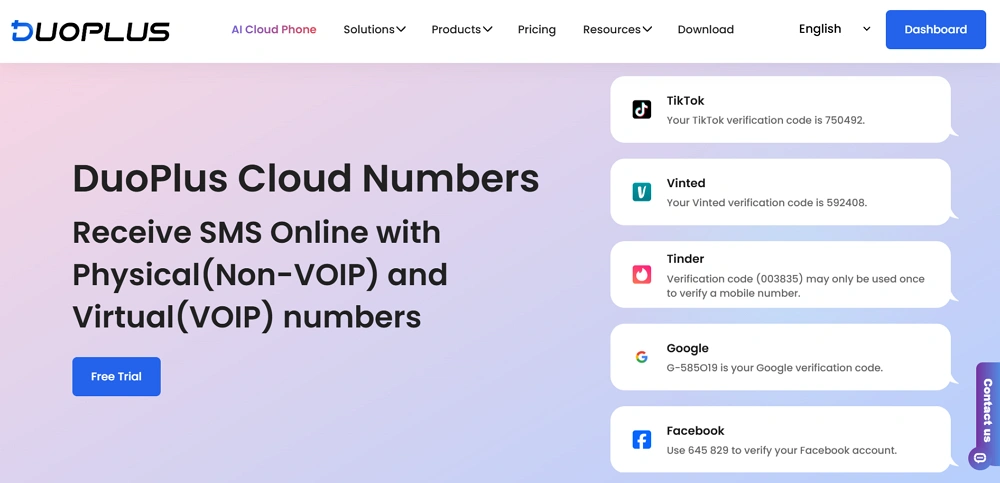
DuoPlus offers both VOIP and non-VOIP numbers. It supports SMS reception and works well for account verification across multiple platforms.
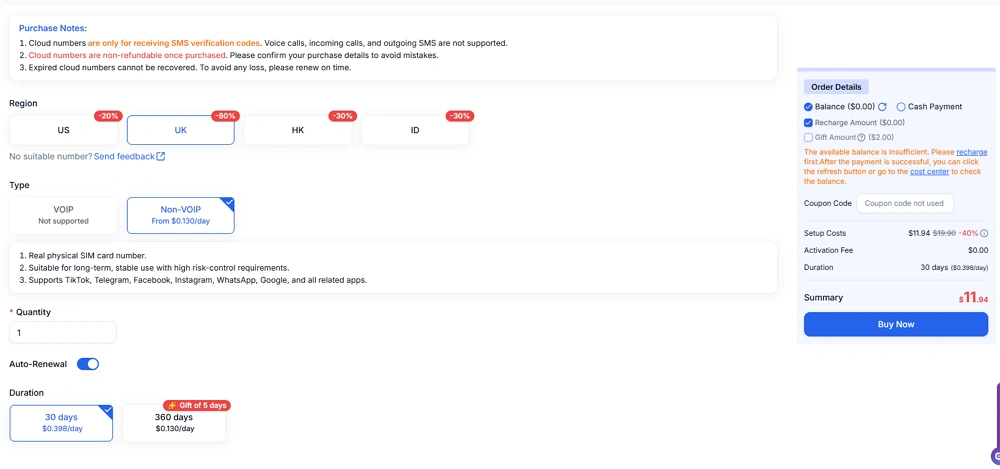
Key advantages include:
-
Access to global numbers
-
Support for WhatsApp and social platforms
-
Clean number pools
-
Simple dashboard for management
Test before large rollout
A trial or small batch test is the safest path. Try real workflows before you commit budget. If you're running multiple accounts, combine:
-
Antidetect browsers like AdsPower
This setup allows each account to have a unique environment and phone number, reducing detection risks and improving account stability.
Ask these questions before you sign up
-
Can this number receive the messages I need?
-
Is the country support strong enough for my target market?
-
Can my team access numbers without sharing one personal device?
-
Does the provider offer clear logs and account controls?
-
Can I start small and expand later?
If you are comparing vendors and searching for the best virtual phone number, focus less on slogans and more on workflow fit.
Best Use Cases for Cloud Phone Numbers
1. Social Media Account Management
Marketers often manage multiple accounts on platforms like Facebook, Instagram, and TikTok. Each account requires a unique number.
Cloud numbers simplify this process.
2. WhatsApp Business and Automation
If you're wondering how to get a virtual phone number for WhatsApp, cloud numbers are one of the most practical options.
They allow you to:
-
Register multiple WhatsApp accounts
-
Separate personal and business use
-
Manage customer communication
3. Affiliate Marketing and Lead Generation
Running campaigns in different regions often requires local numbers. Cloud numbers help create localized presence.
4. E-commerce and Customer Support
Businesses can use virtual numbers for:
-
Order confirmations
-
Customer service
-
Regional support lines
5. Account Verification at Scale
Platforms like Google, Amazon, and Telegram often require phone verification. Cloud numbers make it easier to handle this without physical SIM cards.
FAQs
1. Are cloud numbers safe?
They can be safe when you choose a reputable provider and use solid account controls.
The main risks usually come from poor access management, weak passwords, reused team logins, and unclear number history. Pick a provider with transparent policies, team permissions, and account protection features. Internally, use unique passwords and strong authentication for the dashboard.
A cloud number is not automatically risky. Poor process is what usually creates problems.
2. How to get a virtual phone number for WhatsApp?
Many users search "how to get a virtual phone number for WhatsApp" because they want easier setup for business communication or account separation.
A careful process looks like this:
-
Choose a provider that offers SMS capable numbers in your target region.
-
Confirm the number can receive verification messages reliably.
-
Use a fresh number with a clean history when possible.
-
Register the number through the correct WhatsApp product flow.
-
Keep ownership, billing, and access records clear inside your team.
When selecting a number for WhatsApp verification, look for:
-
Non-VOIP numbers are more reliable
-
Avoid heavily reused numbers
-
Choose numbers with good SMS delivery rates
-
Prefer providers that support long-term usage
Do not assume every virtual phone number will work equally well. Number type, region, and prior usage can all affect verification outcomes. Start with a small test before scaling.
Final Thoughts
A cloud phone number is a practical tool for businesses that need speed, control, and less hardware friction. It helps teams manage verification, communication, and market expansion with fewer manual steps.
If you are comparing providers, begin with your real use case. Check SMS support, country coverage, access control, number quality, and workflow fit. If your team needs an option built for multi account operations, review DuoPlus Cloud Number on its official site and test it with a limited rollout first.
If your current setup still depends on SIM trays, spare phones, and manual message forwarding, now is a good time to evaluate a cloud number workflow that is easier to manage and easier to scale.

People Also Read
- Best Private Search Engines in 2026: 5 Secure Alternatives to Google

Best Private Search Engines in 2026: 5 Secure Alternatives to Google
Looking for a more private way to search? Explore the 5 best private search engines in 2026 and see how DuckDuckGo, Brave Search, Startpage, and more
- Temp Gmail: How to Create a Temporary Gmail Account in 2026
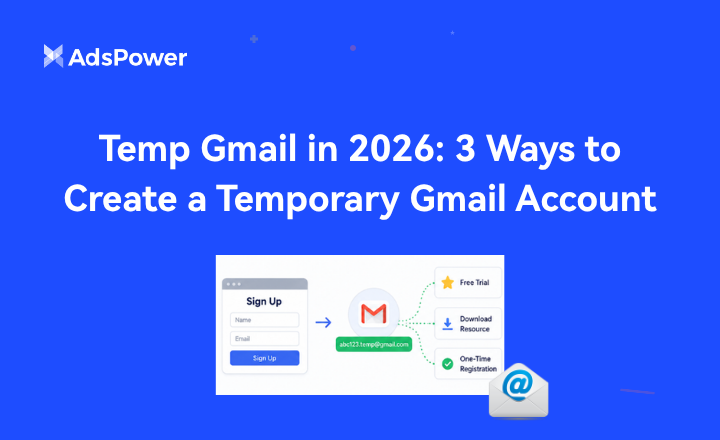
Temp Gmail: How to Create a Temporary Gmail Account in 2026
Learn how to create a temp Gmail account, compare Gmail aliases and separate accounts, and manage multiple accounts with AdsPower.
- Understanding Persistent Browser Profiles for AI Agents: Why Do They Matter?
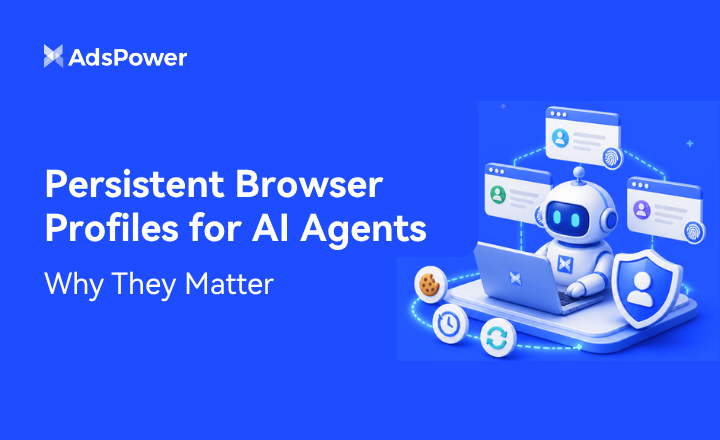
Understanding Persistent Browser Profiles for AI Agents: Why Do They Matter?
Learn why persistent browser profiles matter for AI agents, helping maintain sessions, browser consistency, account isolation, and reliable automation
- Kickass Torrents Alternatives: Movies, TV, Games & Safe Access (2026)
Kickass Torrents Alternatives: Movies, TV, Games & Safe Access (2026)
Kickass Torrents is no longer what it once was, but there are still alternatives for finding movies, TV shows, music, books, games, and software. This
- AdsPower Proxy: Buy and Configure Proxies in One Place
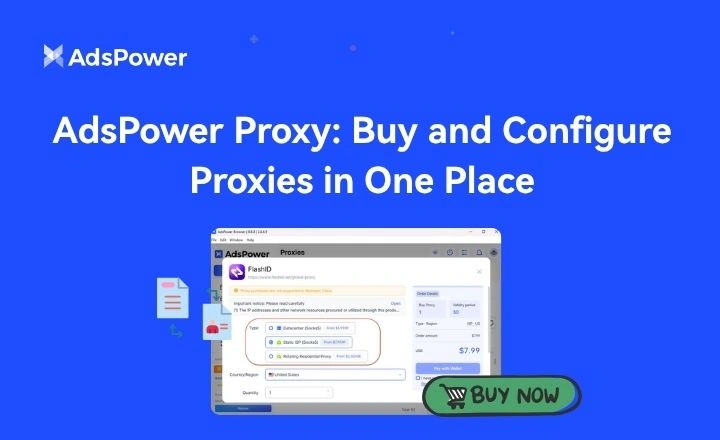
AdsPower Proxy: Buy and Configure Proxies in One Place
Buy an AdsPower proxy while creating a profile, configure it automatically, or continue using your preferred third-party proxy provider.
